Standards for training.
Assessment for growth.
ABSI is a year-long classical ballet standards and examination pathway for registered schools, certified teachers, and developing dancers. Our annual examination provides meaningful outside assessment while preserving the artistic identity of each participating school.
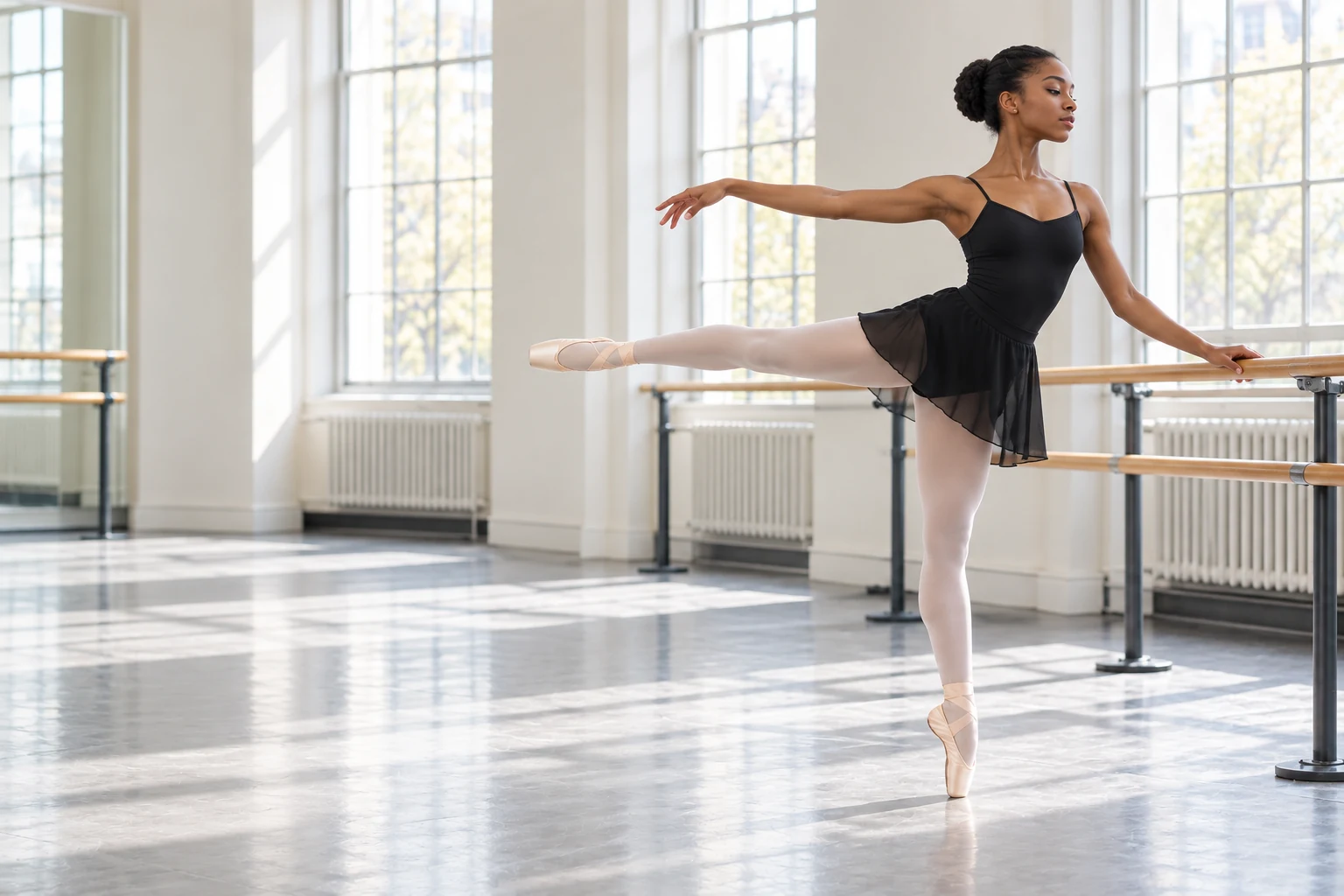
A full year of development, not a one-day test.
The American Ballet Standards Institute was created to give schools a clear framework for classical ballet development while giving dancers thoughtful, independent feedback at the end of the academic year.
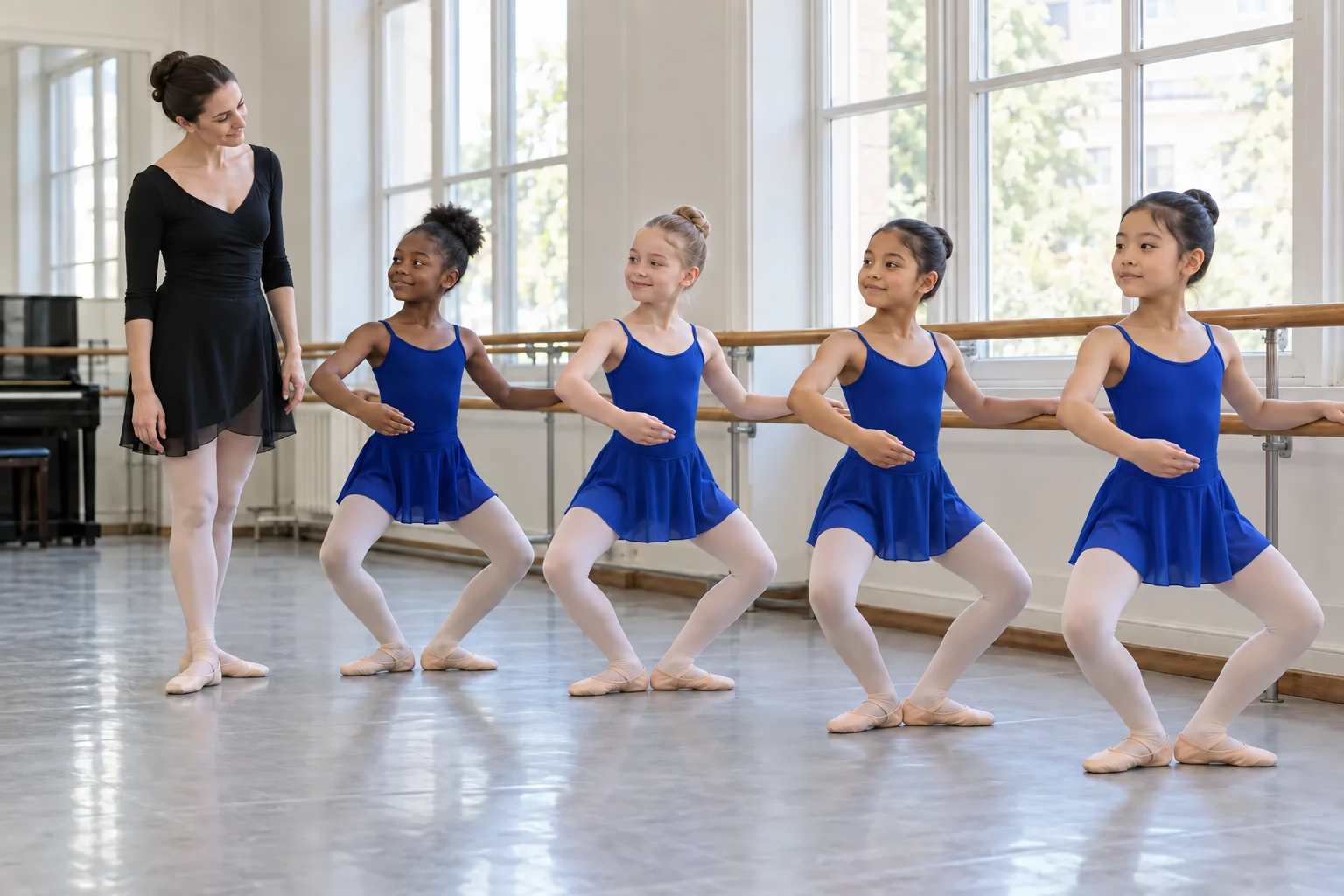
Standards without sameness
Schools retain their own artistic voice and teaching identity while working toward clearly defined technical and developmental benchmarks.
Assessment without pass/fail
Examinations focus on strengths, developing skills, technical understanding, artistry, and next steps—not simply a passing or failing designation.
Progression without rushing
Dancers advance according to readiness. Remaining in a level for additional development is an accepted and healthy part of the training process.
One system. Three distinct roles.
ABSI Registered School
The institution commits to the year-long standards program, maintains qualified faculty, and is authorized to present eligible students for annual examination.
ABSI Certified Teacher
Teachers responsible for preparing candidates complete ABSI certification and maintain current standing with the Institute.
ABSI Examination Candidate
Dancers participate through their registered school. Independent examination registration is not available.
Nine levels of classical ballet development.
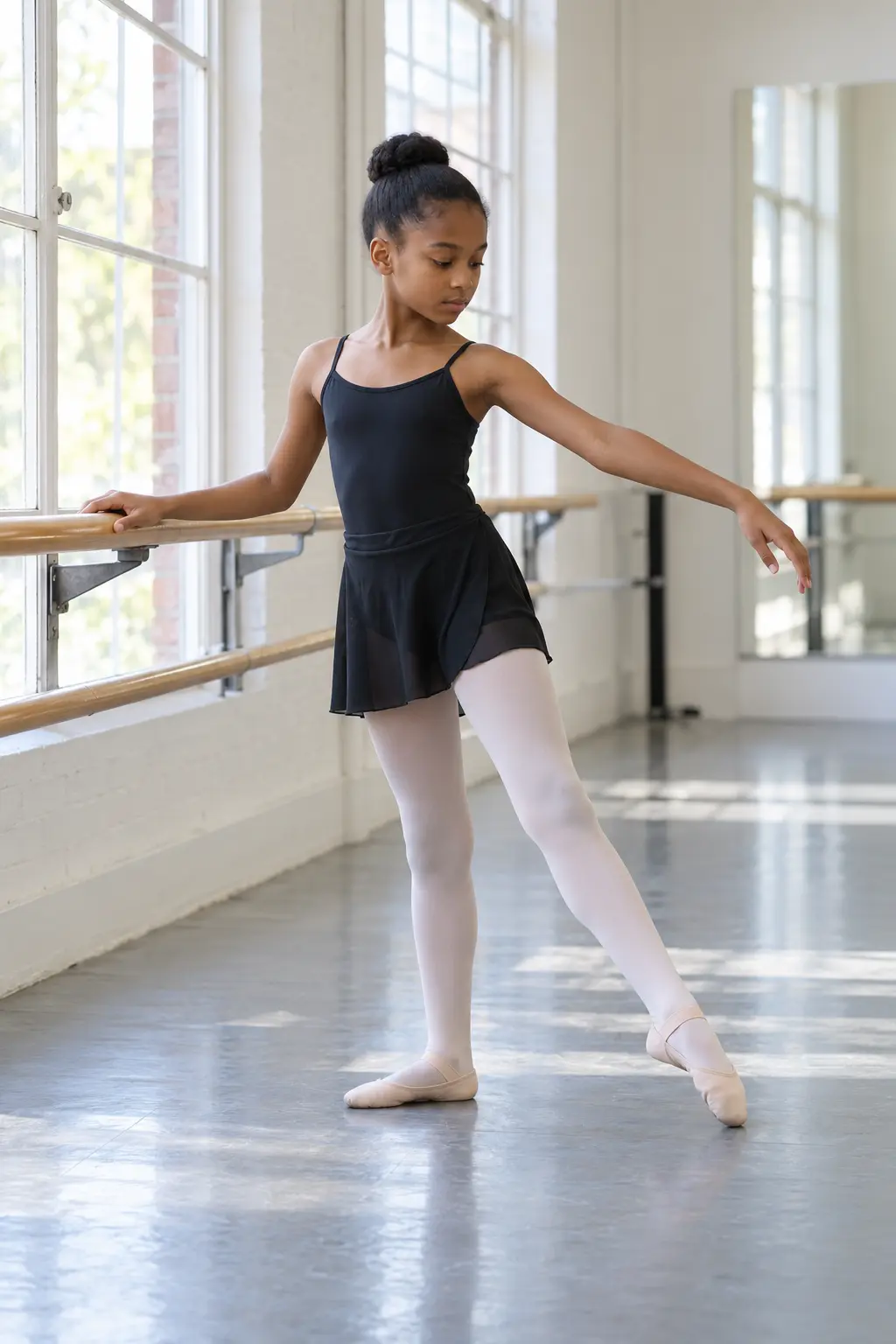
The nine-level structure allows dancers to build technique gradually, with increasing expectations for strength, coordination, vocabulary, musicality, artistry, and professional readiness.
Foundation
- Posture, alignment & turnout awareness
- Introductory barre and center vocabulary
- Musicality, coordination & classroom habits
Elementary
- Greater consistency in foundational technique
- Expanded barre, center & locomotor work
- Beginning épaulement and presentation
Development
- More independent technical work
- Balance, weight transfer & introductory allegro
- Stronger musical response and spatial awareness
Progression
- Increasingly complex barre and center work
- Pirouette preparation and expanded allegro
- Clearer classical line and performance quality
Intermediate
- Secure intermediate technique
- Adagio, turns, allegro & technical consistency
- Pointe preparation where appropriate
Upper Intermediate
- Greater stamina, control & coordination
- More complex turning and allegro vocabulary
- Refined musical phrasing and artistry
Advanced I
- Advanced student-level vocabulary
- Strength, precision & pointe proficiency where applicable
- Mature épaulement and dynamic range
Advanced II
- Complex classical combinations and transitions
- Advanced pirouette, adagio & grand allegro work
- Professional classroom habits and artistry
Pre-Professional
- Command of advanced classical vocabulary
- Technical consistency, stamina & adaptability
- Readiness for collegiate, trainee or pre-professional study
Bring ABSI standards into your studio.
ABSI participation is school-based. A registered school commits to implementing the applicable standards throughout the academic year and may present eligible dancers for the annual examination.
- Access to ABSI curriculum standards and examination requirements
- Annual examination eligibility
- Director and teacher resources
- Registered School designation and approved brand language
- Examination preparation guidance and Institute updates
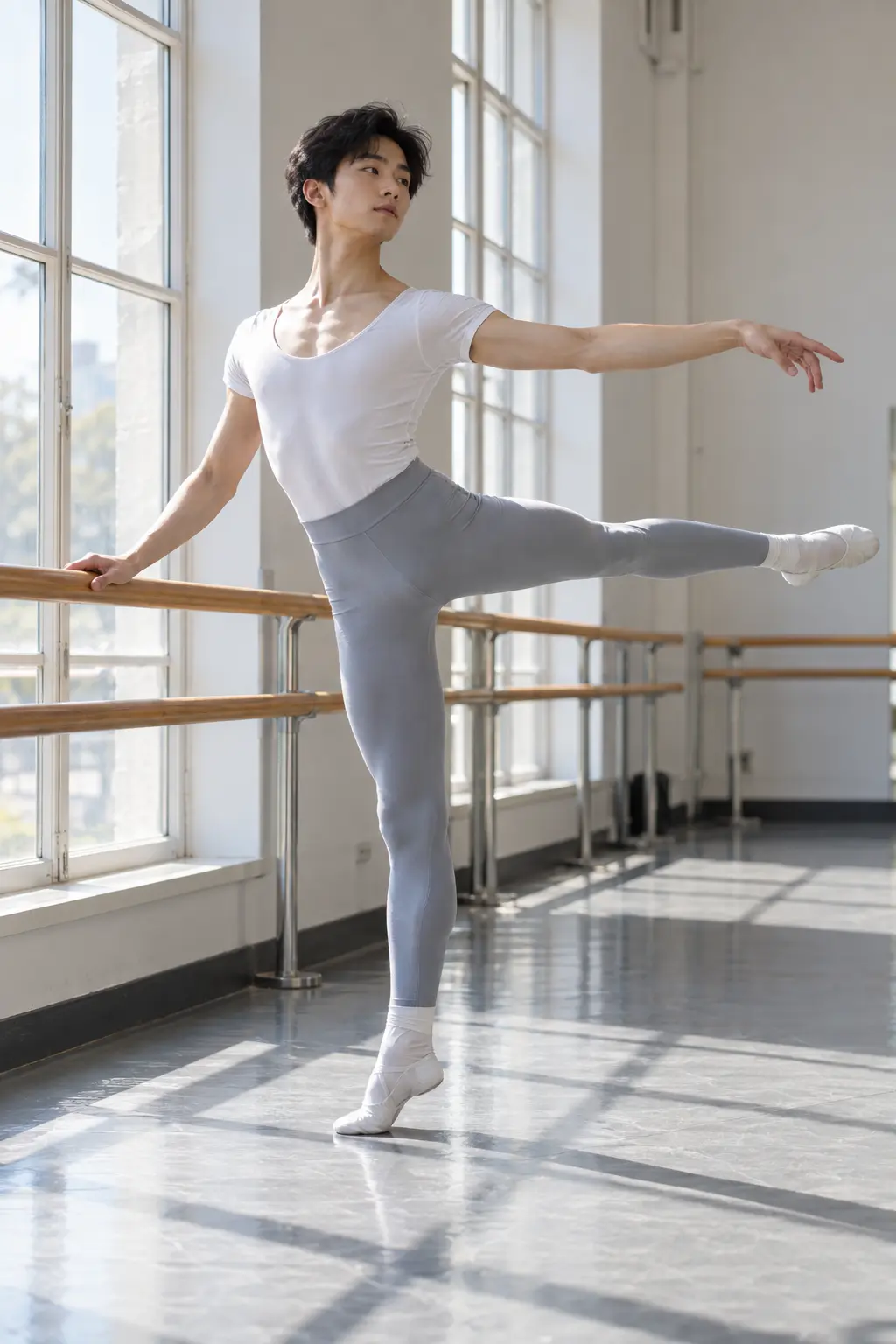
“An ABSI Registered School”
Registered schools may communicate that they incorporate ABSI classical ballet standards into their year-long training program and are authorized to prepare and present eligible students for ABSI examinations.
Important: ABSI does not replace a school’s artistic identity. It provides an external standards and assessment framework.
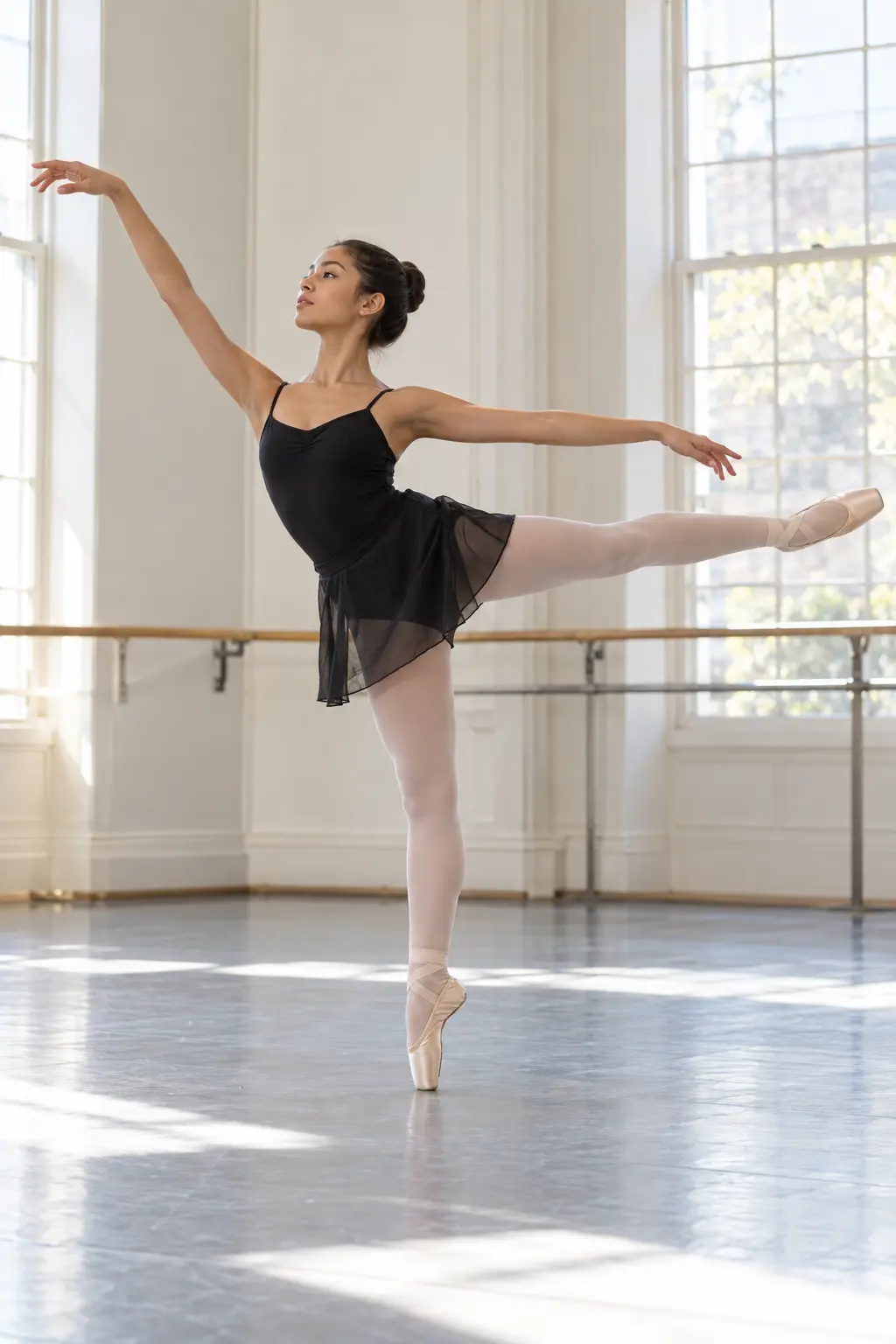
Only ABSI Certified Teachers prepare examination candidates.
Teacher certification ensures that instructors understand the Institute’s technical standards, developmental philosophy, examination expectations, and safe implementation of the curriculum.
Certification includes
Curriculum orientation · Technical standards · Developmental progression · Examination preparation · Assessment philosophy · Teacher resources
Certified Teacher and Approved Examiner are separate designations. A dancer’s regular teacher does not examine their own student.
Independent feedback at the end of a year of training.
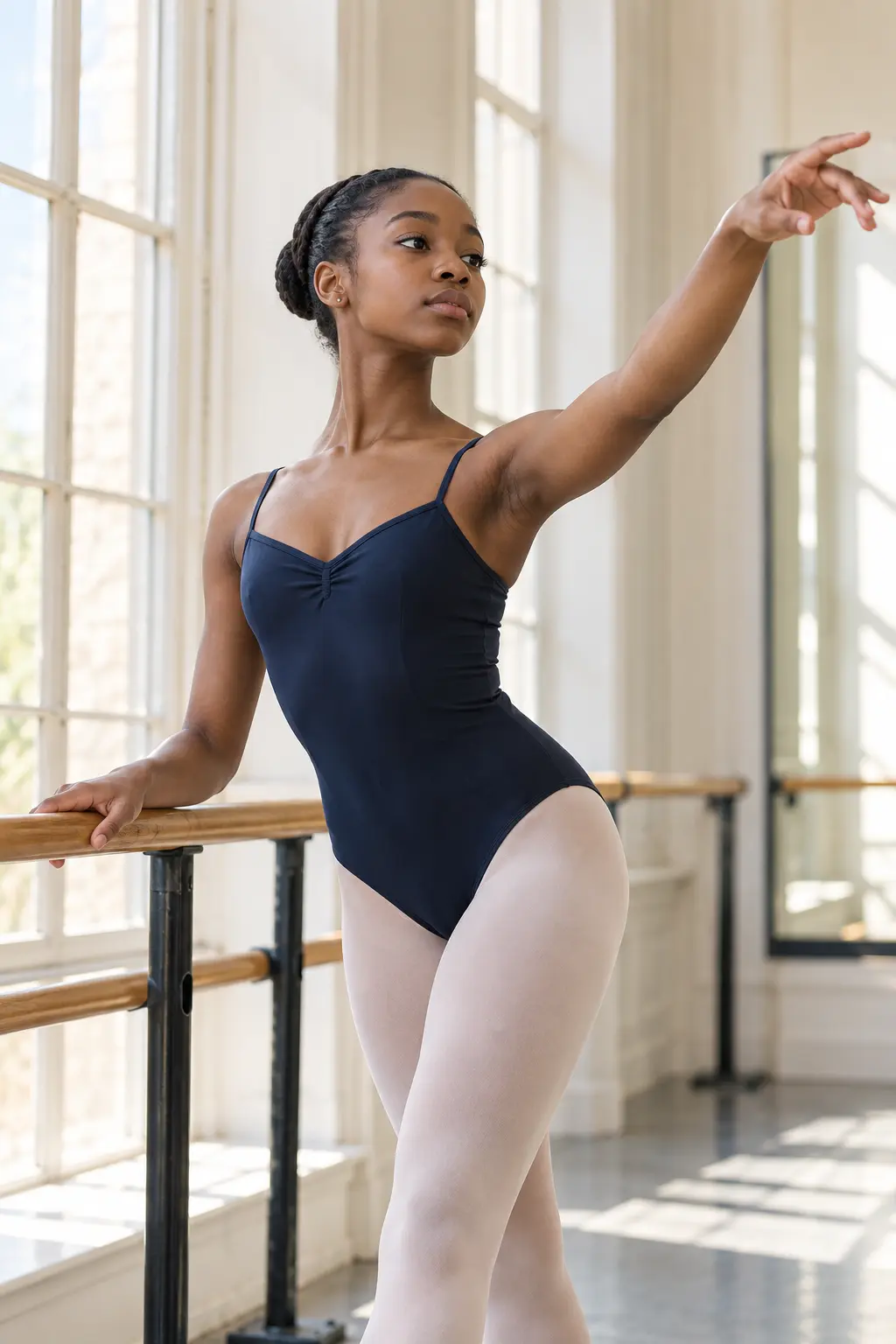
ABSI examinations are developmental assessments. Candidates are evaluated across multiple areas of technique and artistry and receive feedback that can inform the following year of study.
Eligibility
Candidates must train at an ABSI Registered School, complete the required course of study, and receive recommendation from their ABSI Certified Teacher and school director.
Assessment
Examiners consider placement, alignment, technique, strength, coordination, vocabulary, musicality, artistry, presentation, and professional habits.
Progression
Completing an exam does not automatically determine the next level. Directors use examiner feedback together with classroom performance and readiness.
Every dancer leaves with something meaningful.
Official Certificate
Personalized documentation of the dancer’s examination level, school, year, and examiner.
Level Recognition Ribbon
A distinct ABSI color ribbon or waist sash marks each level and creates a visible tradition of progression.
Individual Examiner Report
Written observations highlighting strengths, developing areas, technical needs, artistry, and recommended next steps.
Official Examination Record
A cumulative record documenting the dancer’s long-term progression through the ABSI system.
Digital Credential
Eligible candidates receive a digital level credential that may be included in appropriate résumés, portfolios, biographies, and applications.
Level IX Graduate Recognition
Completion of the full pathway includes an ABSI Graduate Diploma in Classical Ballet Studies and American Ballet Standards Institute Graduate designation.
A clear fee structure for schools, teachers, and dancers.
The school maintains its institutional relationship with ABSI. Teachers maintain their professional certification. Dancers pay an examination fee only when formally entered for the annual exam.
| Program Fee | Founding Rate |
|---|---|
| Registered School · annual | $500 |
| Teacher Certification · initial | $250 |
| Teacher Certification · annual renewal | $100 |
| Levels I–II Examination | $125 |
| Levels III–IV Examination | $150 |
| Levels V–VI Examination | $175 |
| Levels VII–VIII Examination | $200 |
| Level IX Examination | $225 |
Proposed rates for program planning. Final fees will be confirmed before enrollment opens.
What families and schools will want to know.
Can an independent dancer register for an ABSI examination?
No. ABSI examinations are available only through ABSI Registered Schools. This allows the examination to reflect a full year of structured training rather than preparation for a single test date.
Is the examination pass or fail?
No. ABSI uses a developmental assessment model. Dancers receive written feedback and a completion status that supports continued training and appropriate placement.
Does completing a level automatically move a dancer to the next level?
No. Progression is determined by the school director using examination feedback, classroom performance, technical readiness, physical development, attendance, and teacher recommendations.
Who may teach the ABSI examination curriculum?
Teachers responsible for preparing ABSI candidates must hold current ABSI Teacher Certification.
Who examines the dancer?
ABSI Approved Examiners conduct examinations independently. A dancer’s regular teacher does not serve as that dancer’s examiner.
What can a dancer list on a résumé?
Dancers may document their completed ABSI examination level and year. Level IX graduates may use the American Ballet Standards Institute Graduate designation and reference their Graduate Diploma in Classical Ballet Studies.
Join the inaugural ABSI examination cycle.
Founding school enrollment is planned for the 2026 holiday season, with the first American Ballet Standards Institute examination session scheduled for May 2027.